In addition to ongoing services that support you in the home, some older people may be offered short-term programs at different points in their health journey. These programs are designed to help with recovery, rebuilding strength, or providing support at the end of life.
These programs include:
They are available to anyone who is assessed as needing them, regardless of whether they currently receive Support at Home, CHSP, private services, or no services at all.
Most importantly: You do not need to know how to organise these programs yourself! If a program is appropriate for you, your hospital team, GP, aged care assessor or care team will arrange it on your behalf.
Below is a clear explanation of each program and how it interacts with your Support at Home services.
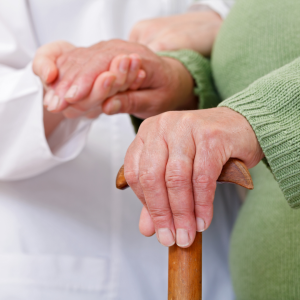

The Transitional Care Program provides short-term support after a hospital stay. Its purpose is to help you recover, regain strength, and return home safely before resuming your usual routines.
TCP may include:
TCP normally lasts up to 12 weeks. In some cases, it can be extended slightly if clinically appropriate.
TCP is almost always arranged by hospital staff while you are preparing for discharge. They will speak with you (and your family, if you choose) about whether TCP is right for you. A referral is completed by the hospital – you do not need to apply.
While you are in TCP:
Short-Term Restorative Care is an 8week, early-intervention program designed to help you improve or restore your independence.
STRC focuses on helping you regain skills, confidence and mobility before your needs increase. You’ll be supported by a small team – such as physiotherapists, occupational therapists, nursing staff and support workers – working with you towards your personal goals.
STRC runs for up to 8 weeks (56 days). It is a one-off, time-limited program.
STRC can be recommended and arranged by:
If they feel STRC will help you regain independence, they complete the referral. You don’t need to organise anything yourself.
While you are receiving STRC:
When STRC ends:
Think of STRC as a boost of focused help, not a replacement for home care.
The End-Of-Life Pathway provides compassionate, personalised support for people who wish to remain at home during their final stage of life. This pathway is intended for people who have been:
The diagnosis is usually made by:
It is not triggered simply because a person is frail or declining – it requires a medical determination of a terminal stage.
Services can include:
The focus is on dignity, comfort and support – for both the older person and their loved ones.
This pathway is approved in three-month periods, based on your needs. If your doctor or care team confirms that you are still in the end-of-life stage when the three-month period finishes, the support can be renewed so that it continues without interruption.
This pathway is usually organised by:
They work together to ensure you have the right support in place. Families do not need to navigate this alone.
Your Support at Home services continue. The End-of-Life Pathway adds extra specialised support on top, not instead of it. Your classification level may also be adjusted so that you receive the level of care you require.

